
Common Name: Powdery Mildew
Scientific Name: Blurmeria graminis
Host Turfgrass: Kentucky bluegrass, fine fescue, perennial ryegrass
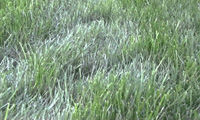
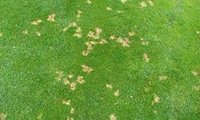
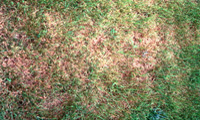
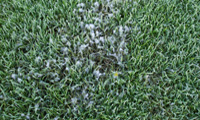
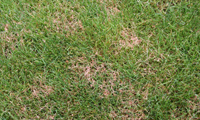
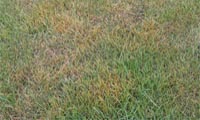
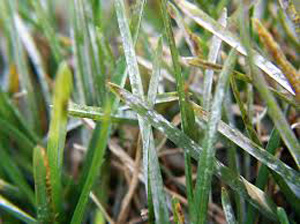
Powdery mildew disease in lawns is usually the result of trying to grow grass in a poor location such as heavily shaded areas. Caused by a fungus, the first symptoms are light spots on the blades of grass that may go unnoticed. As the disease progresses, you'll see white patches that look as though they have been sprinkled with talcum powder.
Heavily infected leaves turn yellow or red and die slowly. If left uncontrolled for several weeks, powdery mildew will cause significant thinning of the turf and may also increase its susceptibility to environmental stresses or other pests.
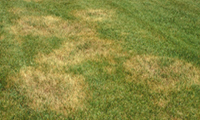
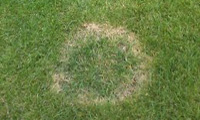
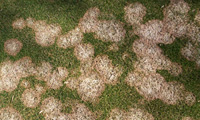
If this powdery mildew grass disease is allowed to progress too long, it can spread and result in dead patches in the lawn.
Here are some practices by the homeowner that create favorable conditions for a healthy lawn, and often create unfavorable conditions for the growth of Powdery Mildew:
- Water 1 to 1 ½ inches per week to avoid drought stress
- Infrequent deep watering is recommended verses frequent shallow watering
- Avoid excessive amounts of nitrogen-based fertilizers to reduce lush leaf growth
- Raise the lawnmowing height
- Reduce the amount of shade
- Increase air circulation
If you think your lawn has developed Powdery Mildew, give Fowler and Sons a call. We can come out to confirm the identity of the disease and recommend the best action to take care of it.


