
Common Name: Pink Snow Mold
Scientific Name: Microdochium nivale
Host Turfgrass: bentgrass, bermudagrass, bluegrasses
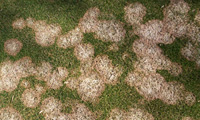
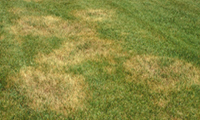
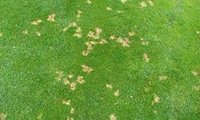
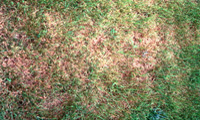
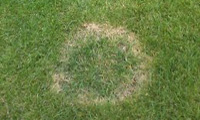
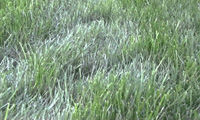
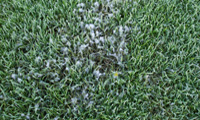
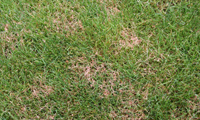
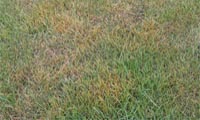
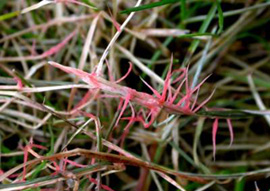
Pink snow mold develops during periods of snow cover, with symptoms of the disease becoming evident as the snow melts. The disease appears in roughly circular patches from 2 inches to 1 foot in diameter that are white or light tan in color. A ring of salmon or pink-colored growth is present on the outer edge of patches when the disease is actively developing. The infected leaves within the patches are usually collapsed and matted down upon themselves.
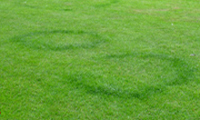
Microdochium nivale may also infect turfgrasses in the absence of snow cover during periods of cool, wet weather; in these cases, the disease is referred to as Microdochium patch. The symptoms of Microdochium patch are slightly different than pink snow mold. The patches are similar to pink snow mold in size and shape, but are reddish-brown or salmon-colored and greasy in appearance. When the disease is actively developing, the patches may be surrounded by a dark brown or bronze ring
Here are some practices by the homeowner that create favorable conditions for a healthy lawn, and often create unfavorable conditions for the growth of Pink Snow Mold:- Regularly mow turf until it turf goes dormant, with the final mowing slightly lower than normal
- Avoid heavy applications of fertilizers with water-soluble nitrogen in late fall, prior to dormancy
- Apply high levels of potash and maintain a balanced fertility program
- Reduce thatch with core aeration.
- Rake affected areas in the spring to reduce the amount of matting
If you think your lawn has developed Pink Snow Mold, give Fowler and Sons a call. We can come out to confirm the identity of the disease and recommend the best action to take care of it.


