
Other common names:Large Patch, Rhizoctonia Blight
Scientific Name: Rhizoctonia solani
Host Turfgrass: bentgrass, bluegrasses, fescues, ryegrasses
Brown Patch is a hot weather turfgrass disease. Brown Patch affects most turfgrasses throughout the United States, with damage signs appearing during late summer in the northern states.
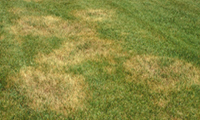
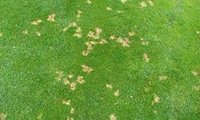
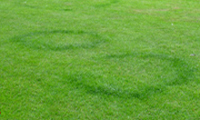
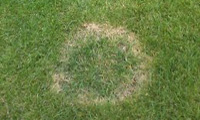
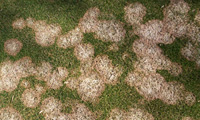
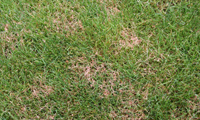
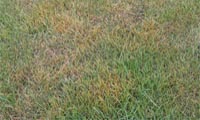
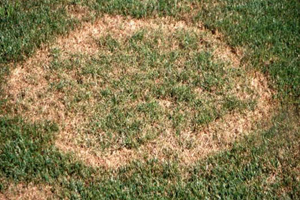
Brown Patch typically produces rings or patches of browned out turfgrass that can measure from 5 inches to 10 feet in diameter. It may also produce thin, brown to purple borders around the margins of the patches. These areas are commonly referred to as “smoke rings.”
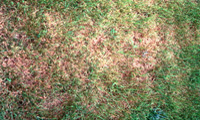
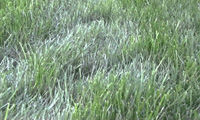
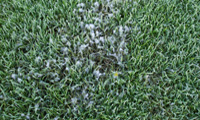
After the grass leaves die, new leaves can emerge from the surviving crowns. On wide bladed species of turfgrass, leaf lesions develop with tan centers and dark brown to black margins. When the leaves are wet or humidity is high, small amounts of gray cottony growth, called mycelium, may be seen growing amongst affected leaves.
Disease control practices by the homeowner create favorable conditions for a healthy lawn, and often create unfavorable conditions for the growth of Brown Patch. Reducing thatch, reducing the amount of shade, and watering turf early in the day to promote soil drainage can help create unfavorable conditions for the development of Brown Patch. Environmental conditions cannot be changed, but cultural practices performed by the homeowner can be modified to lessen the chance of extensive damage from Brown Patch.
Fowler and Sons can help determine a plan for preventing and controlling Brown Patch in your lawn.


